This store requires javascript to be enabled for some features to work correctly.


From Venus fly traps to pitcher plants, we are your source for all things carnivorous.


From the Venus Flytrap and Beyond: How Carnivero Began
Carnivero was born from a deep fascination with carnivorous plants, the product of millions of years of evolution and resilience. These bizarre beauties, with their animal-like habits, spark a childlike curiosity like nothing else.
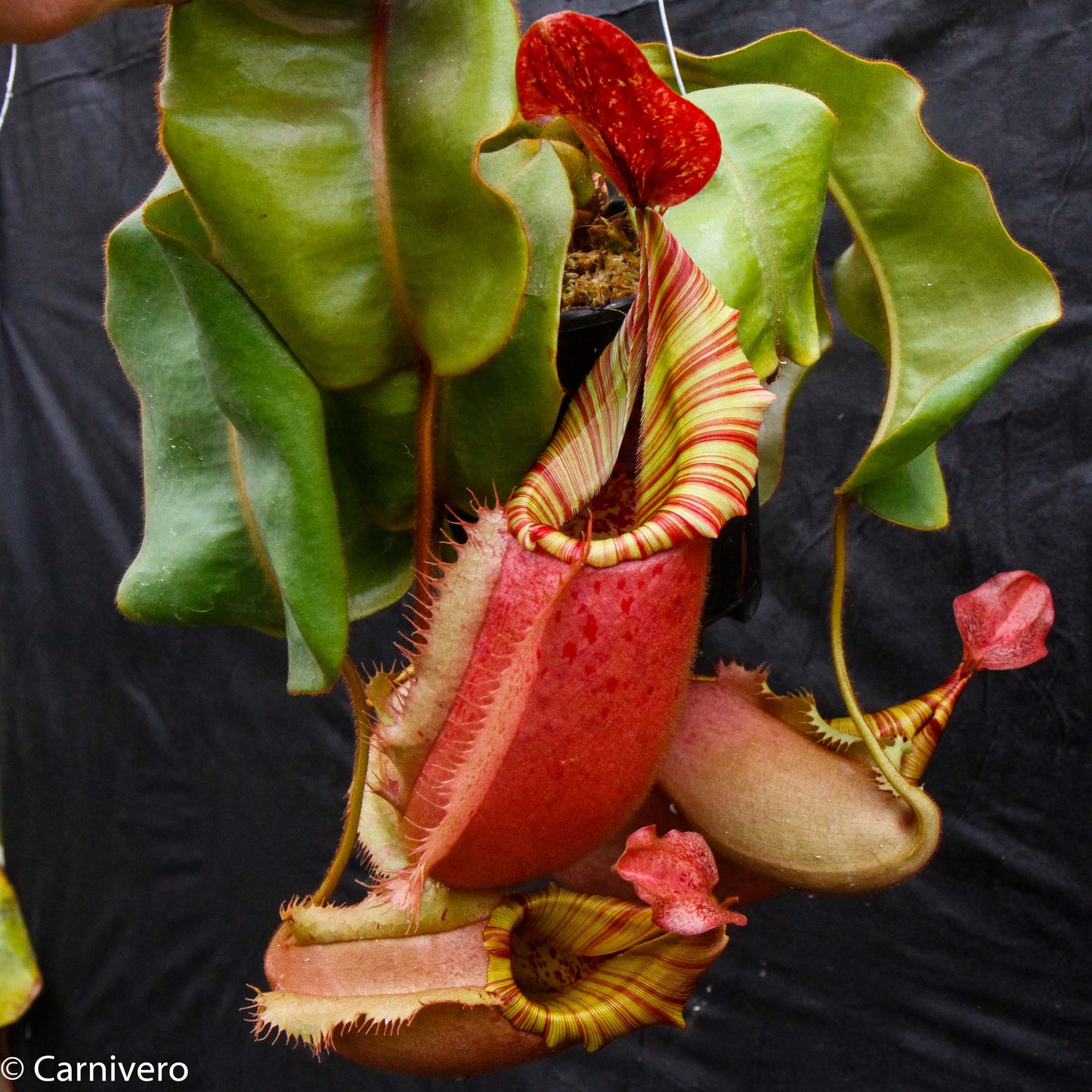
Some of these plants live exactly where you might picture them. Nepenthes, the tropical pitcher plants, drape their dangling pitchers through steamy jungles, and a daring few cling to cliffs high above the crashing ocean. But many carnivorous plants, like the Venus flytrap, keep far more secretive company. They tuck themselves away in bogs; rare and quietly enchanting wetlands where moss glows in shades of emerald and crimson and the ground sighs softly underfoot. Others hide in wet pine savannas, trickling mountain seeps, and even sandy roadside ditches: soggy, sunbaked pockets of earth so poor in nutrients that many plants struggle to survive.
Sadly, these hidden worlds are vanishing fast, drained for farmland, paved for development, or left to choke without the natural wildfires that once kept them open. Meanwhile, plants are still dug from the wild and sold by the bagful.
Our founder, Drew Martinez, has been growing carnivorous plants since 1996 and traveling the world to see them in the wild. Along the way, he saw firsthand how habitat destruction and poaching were pushing many species toward extinction. Drew came home with a simple conviction: the best way to protect wild plants is to grow them responsibly and share them widely.
Every greenhouse-grown plant is one fewer pulled from a bog or mountain side, and every new grower is one more champion for the wild places these plants depend on. That idea became Carnivero.
Most plants are happy to live on sunshine, water and whatever the soil provides. Faced with soil that offers very few nutrients, carnivorous plants evolved a remarkable workaround: if the ground won’t feed them, the insects will. More than 800 species around the world have arrived at this solution, and they have done it in wonderfully different ways.
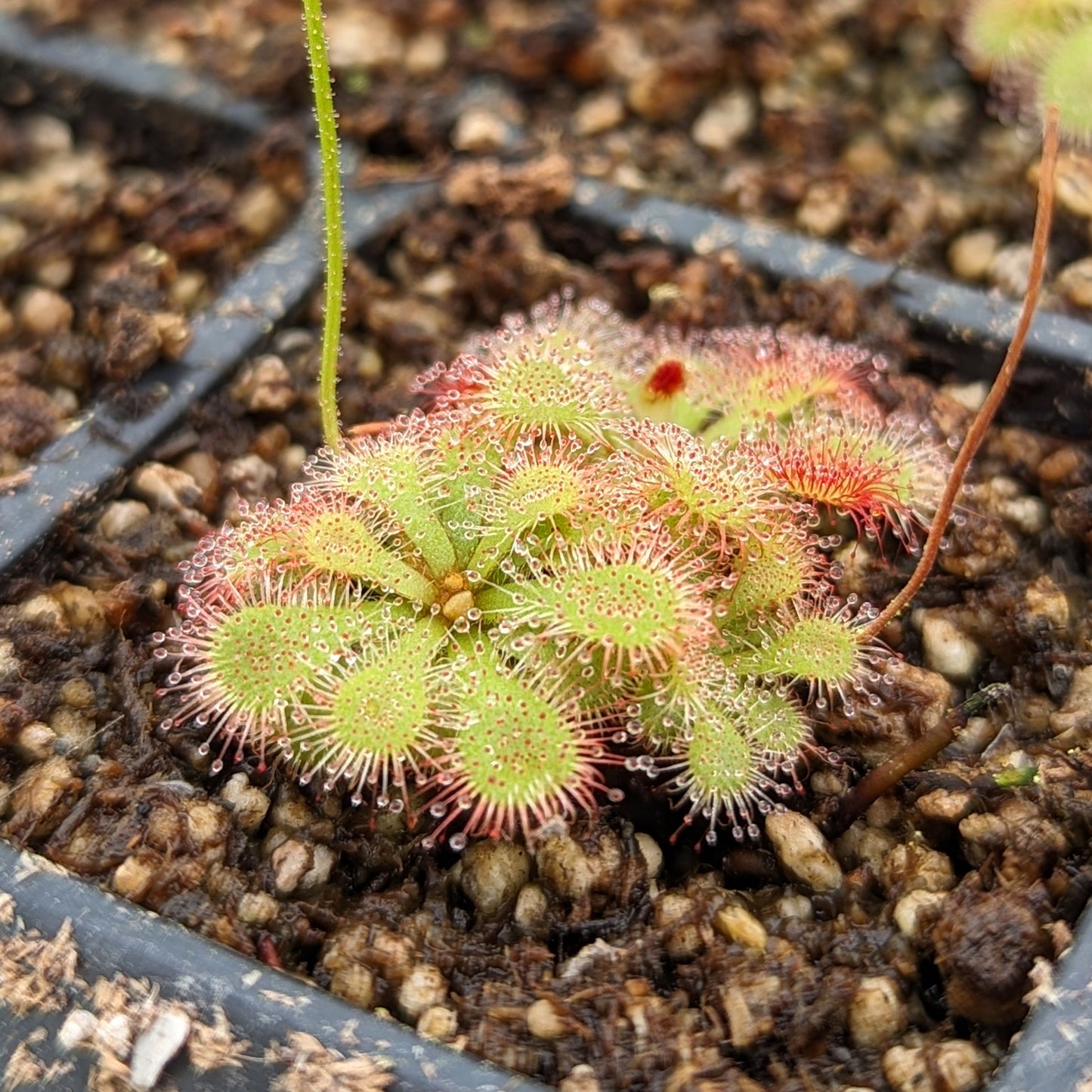
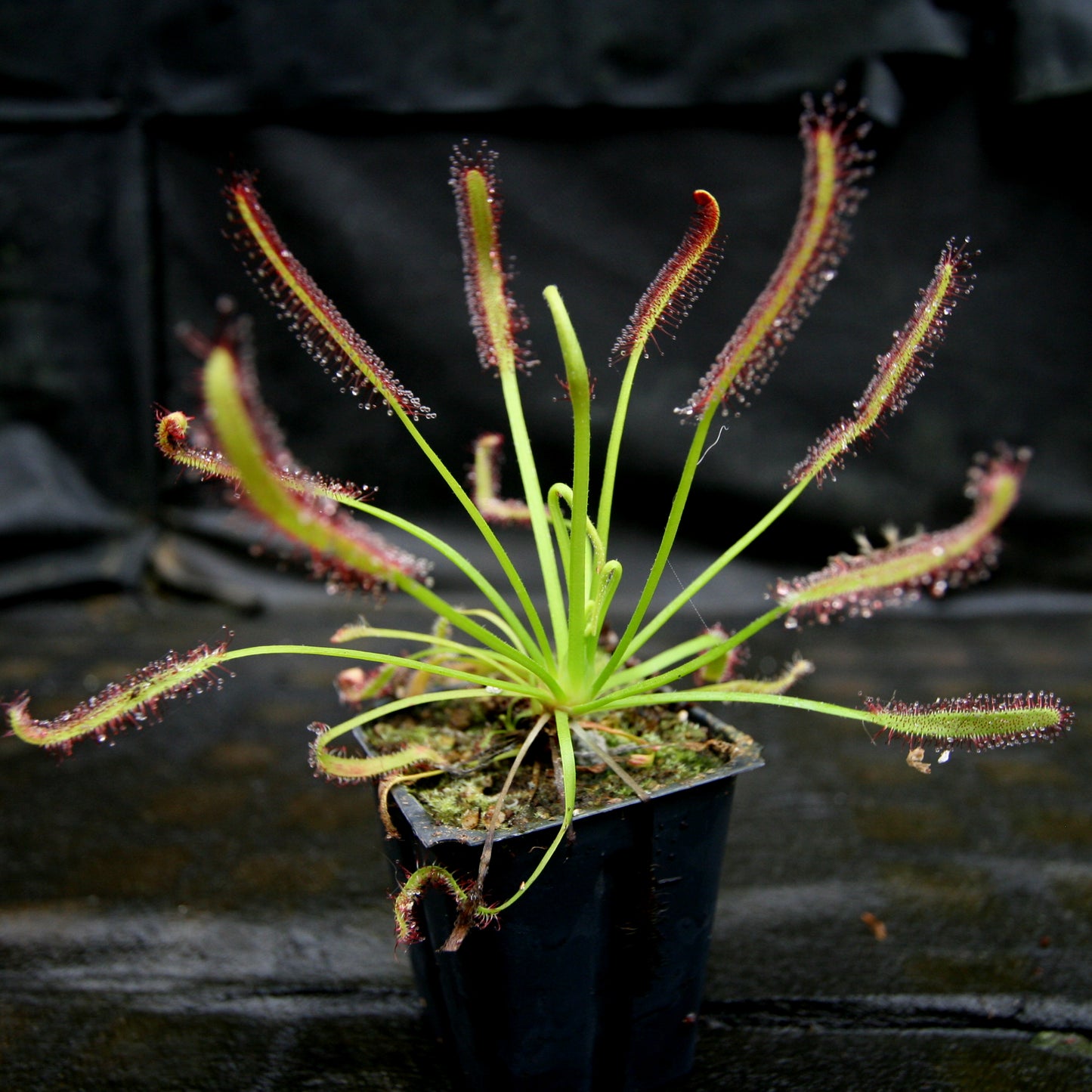
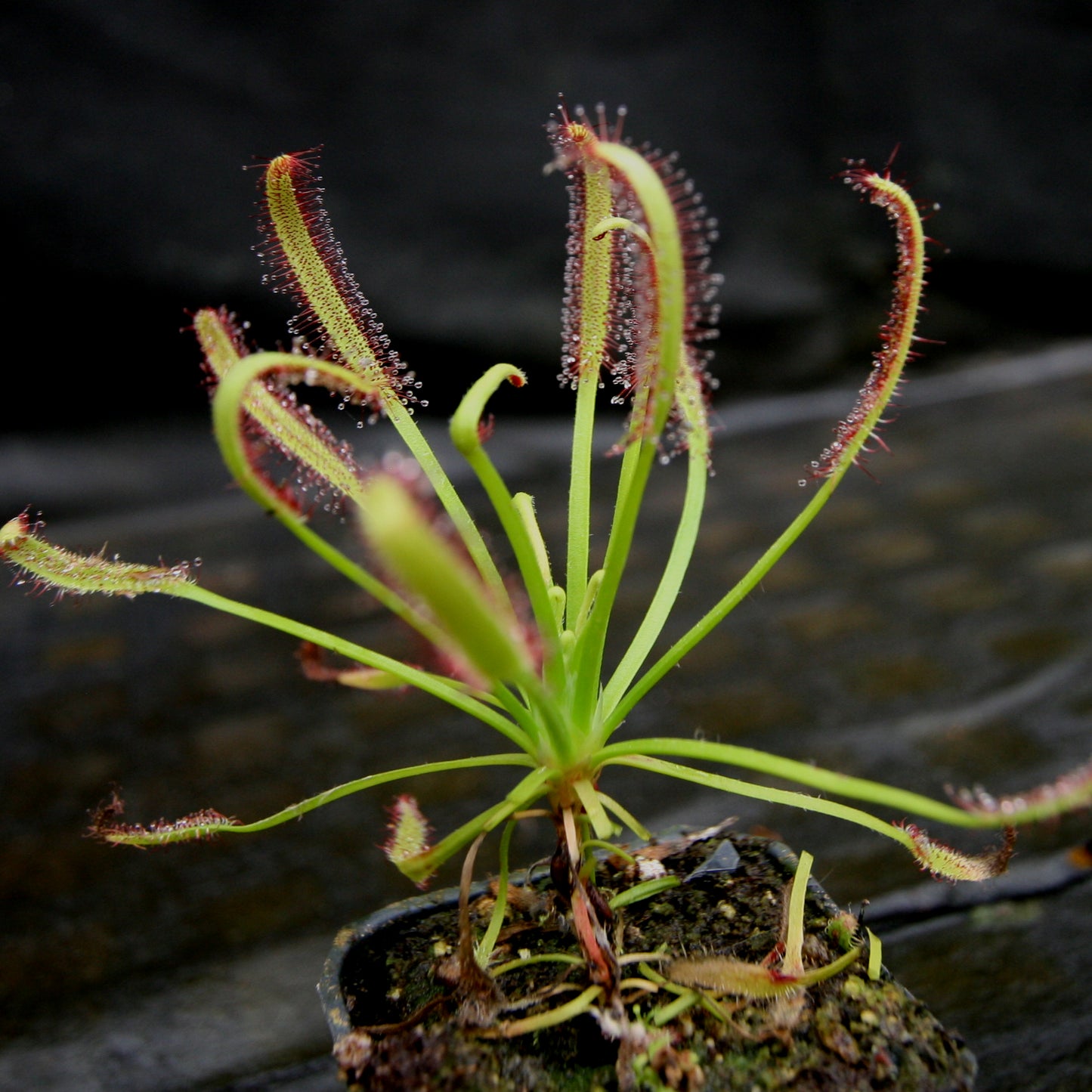
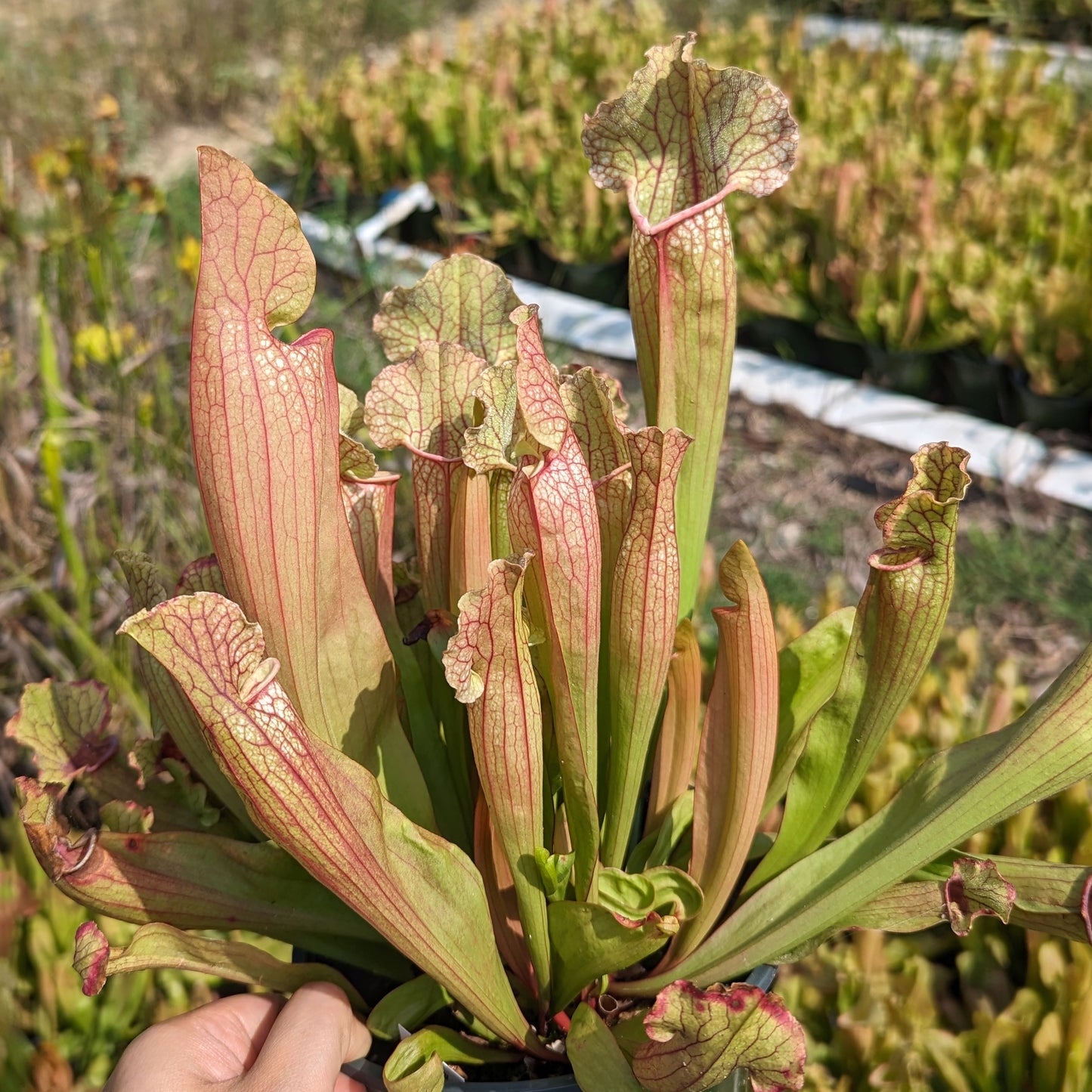
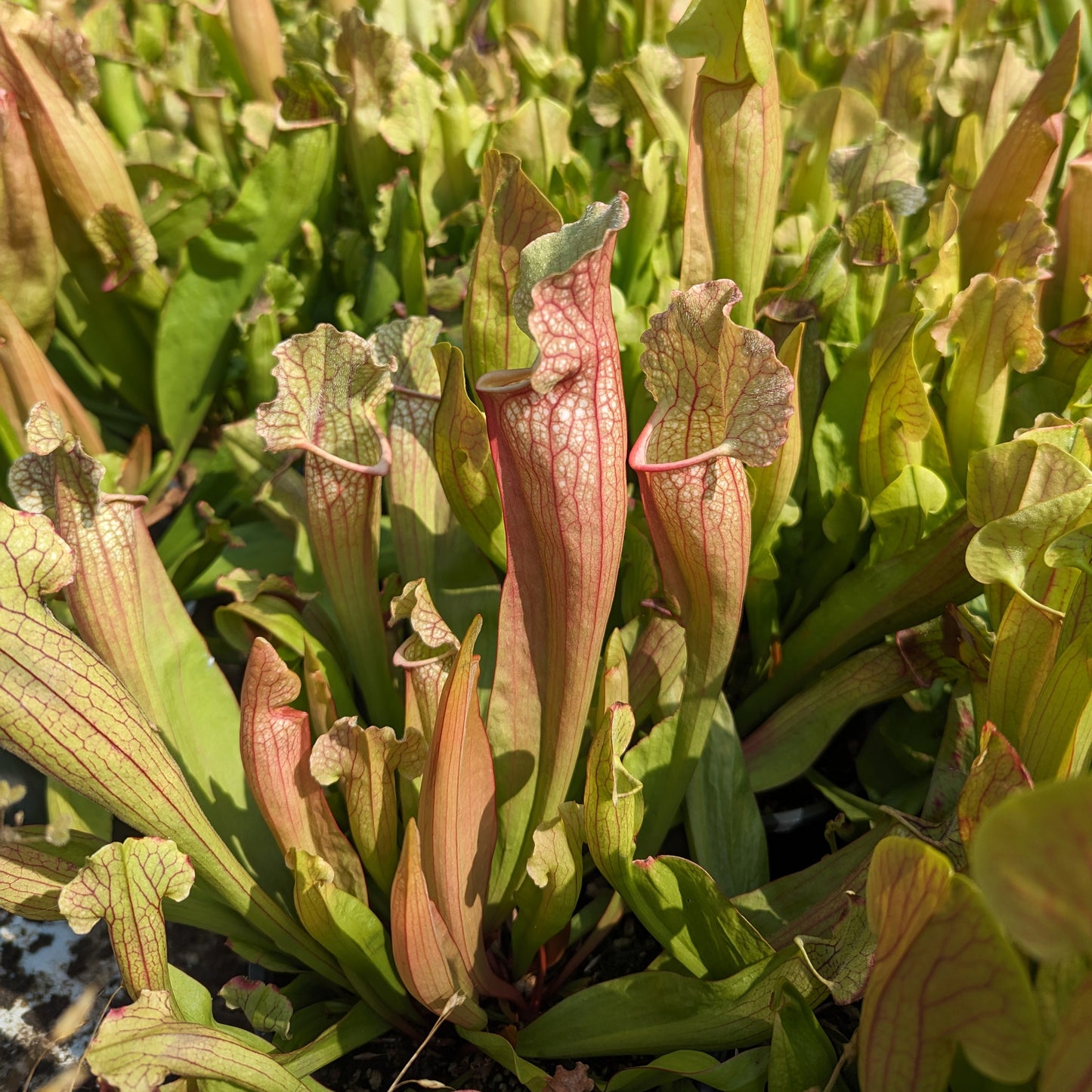
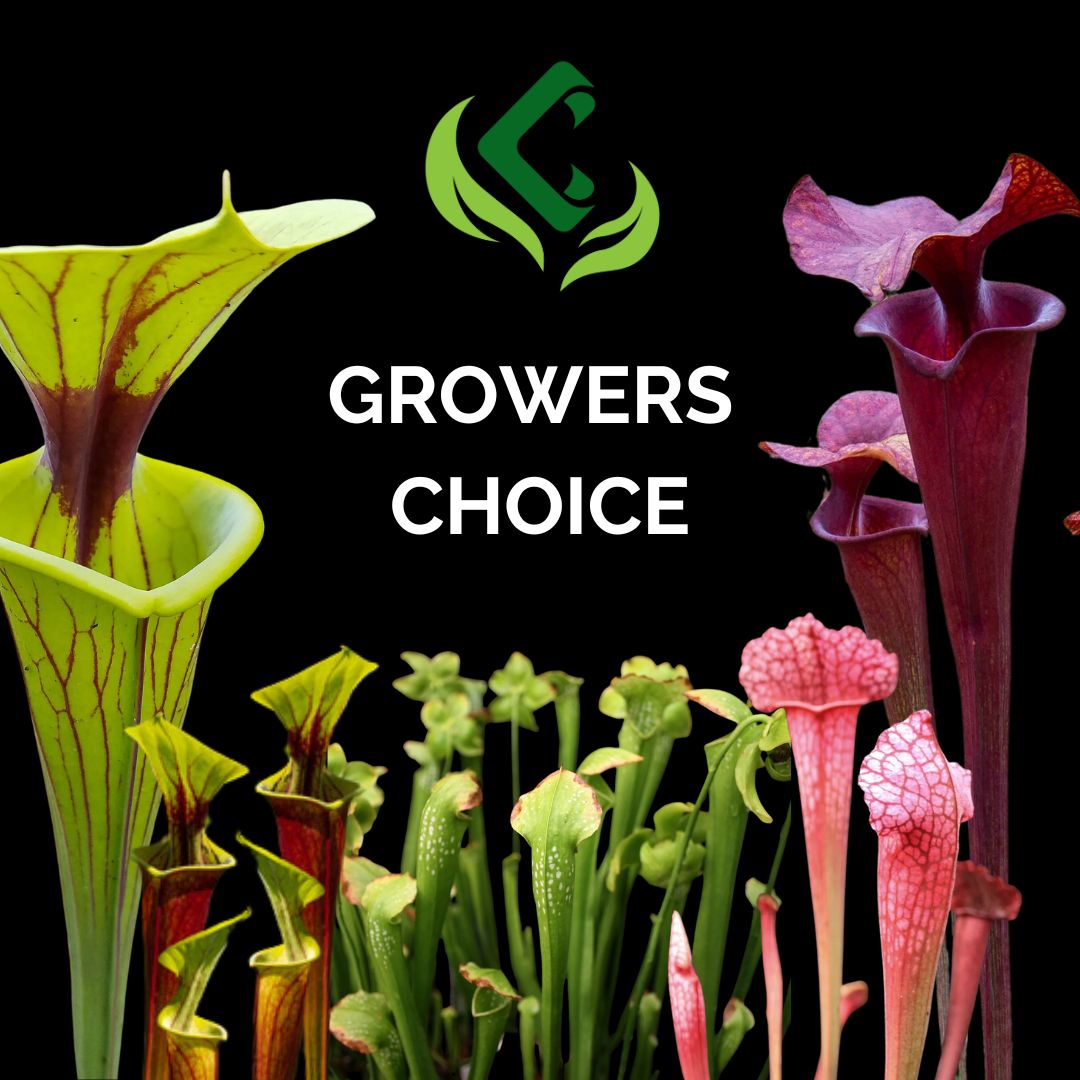
Pitcher plants grow elegant, vase-shaped leaves with slippery rims and pools of digestive fluid waiting at the bottom. Sundews glitter with sticky droplets that look like morning dew and hold on to anything that lands. Butterworts cover their leaves in a fine natural flypaper. Bladderworts, living underwater, fire tiny suction traps faster than the eye can follow. Each one is a small masterpiece of engineering, refined over millions of years.
The most recognizable of them all, of course, is the famous Venus flytrap. Few plants are as instantly beloved, and fewer still are as surprising up close. The flytrap grows wild in just one small corner of the world: a stretch of the Carolinas within about 75 miles of Wilmington, North Carolina. Each trap is lined with tiny trigger hairs, when touched once, do nothing. However, two touches in quick succession, and the trap snaps shut in roughly a tenth of a second. The Venus flytrap is essentially counting, making sure it has caught something alive and worth the effort before it spends energy on digestion. A raindrop or a falling leaf won't fool it.
Watching a Venus flytrap close for the first time is a moment nobody forgets. It is a living reminder that the natural world is stranger, smarter and more wonderful than we usually give it credit for.
Here is the secret we love sharing most: the Venus flytrap is one of the best plants you can grow, whether you’re just starting out or have been an avid plant collector for years. It has a reputation for being fussy, but it really doesn’t deserve it. Once you know where the Venus flytrap comes from, caring for them becomes refreshingly simple. Give your flytrap plenty of bright, direct sunlight. Water it with rainwater or distilled water, and keep the soil damp. Plant it in a nutrient-poor mix like peat and perlite, never ordinary potting soil. Set it on a sunny porch or windowsill and it will happily catch its own meals. Come winter, it will want a little rest, but who doesn’t?
That is where we come in. At Carnivero, we don’t just sell Venus flytraps; we set you up to succeed and we’re here to help every step of the way. Our plants are greenhouse grown, never taken from the wild, and they are the healthiest you’ll find, with strong roots and vigorous traps. Each one arrives with the clearest, most reliable care instructions available, written by people who have spent decades growing these plants and studying them in their native habitats. Have a question about a dormant flytrap or a trap that turned black? Ask us. We have definitely seen it before, and we are always happy to help.
Start with a Venus flytrap and you may find yourself hooked. Whether you are a curious first-timer or a seasoned grower hunting for something rare, there is a carnivorous plant with your name on it. Bring one home, watch it hunt, and become part of a growing community that keeps these extraordinary plants thriving for generations to come. Welcome to Carnivero.
Florawave Growlights
Pitcher Plants


Venus Flytraps


Sundews

Seeds


american pitcher plants


butterworts


Shop Venus flytraps and More



















For expert carnivorous plant care tips, behind the scenes, and special announcements, follow us on social media.
@Carnivero

