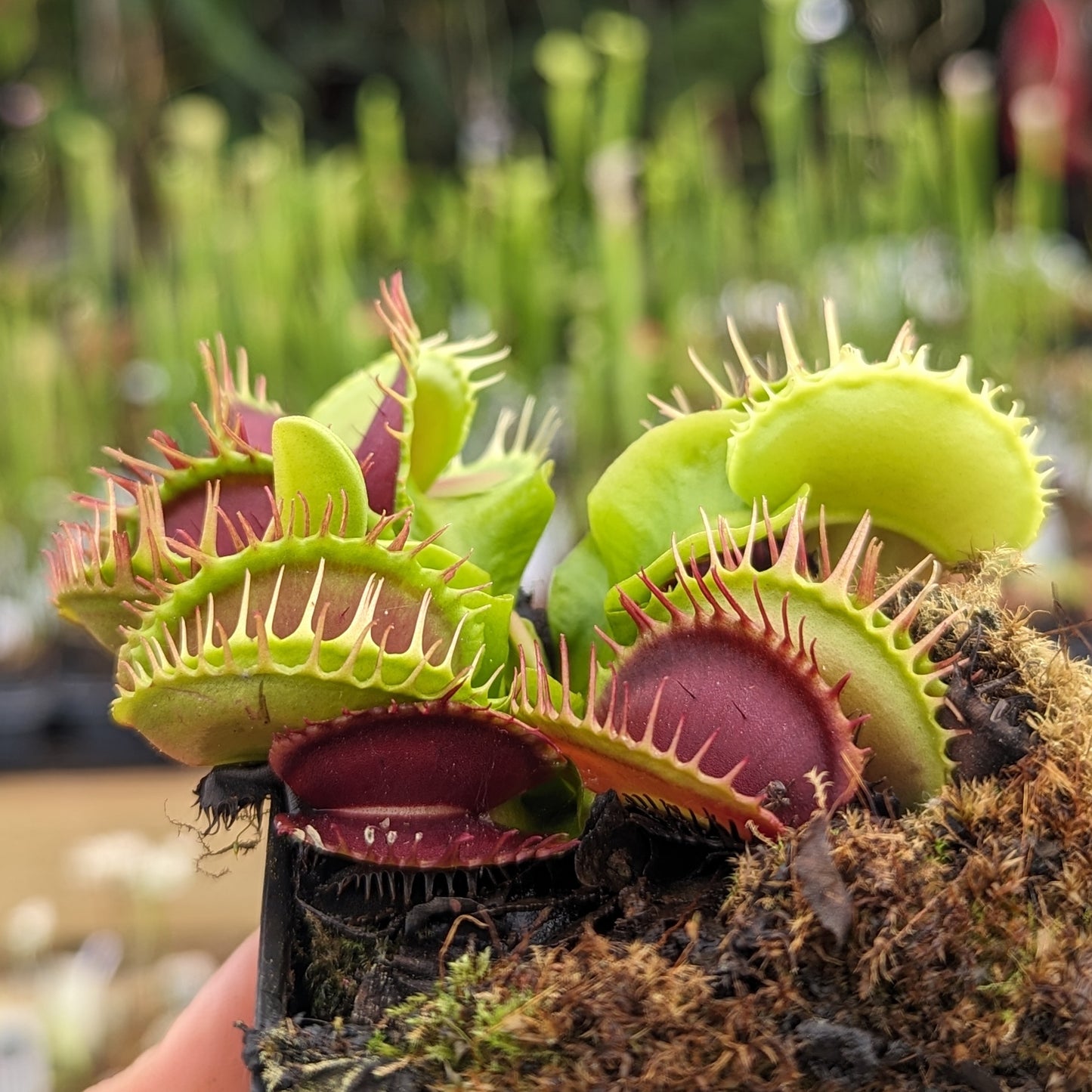


Drosera pilosa
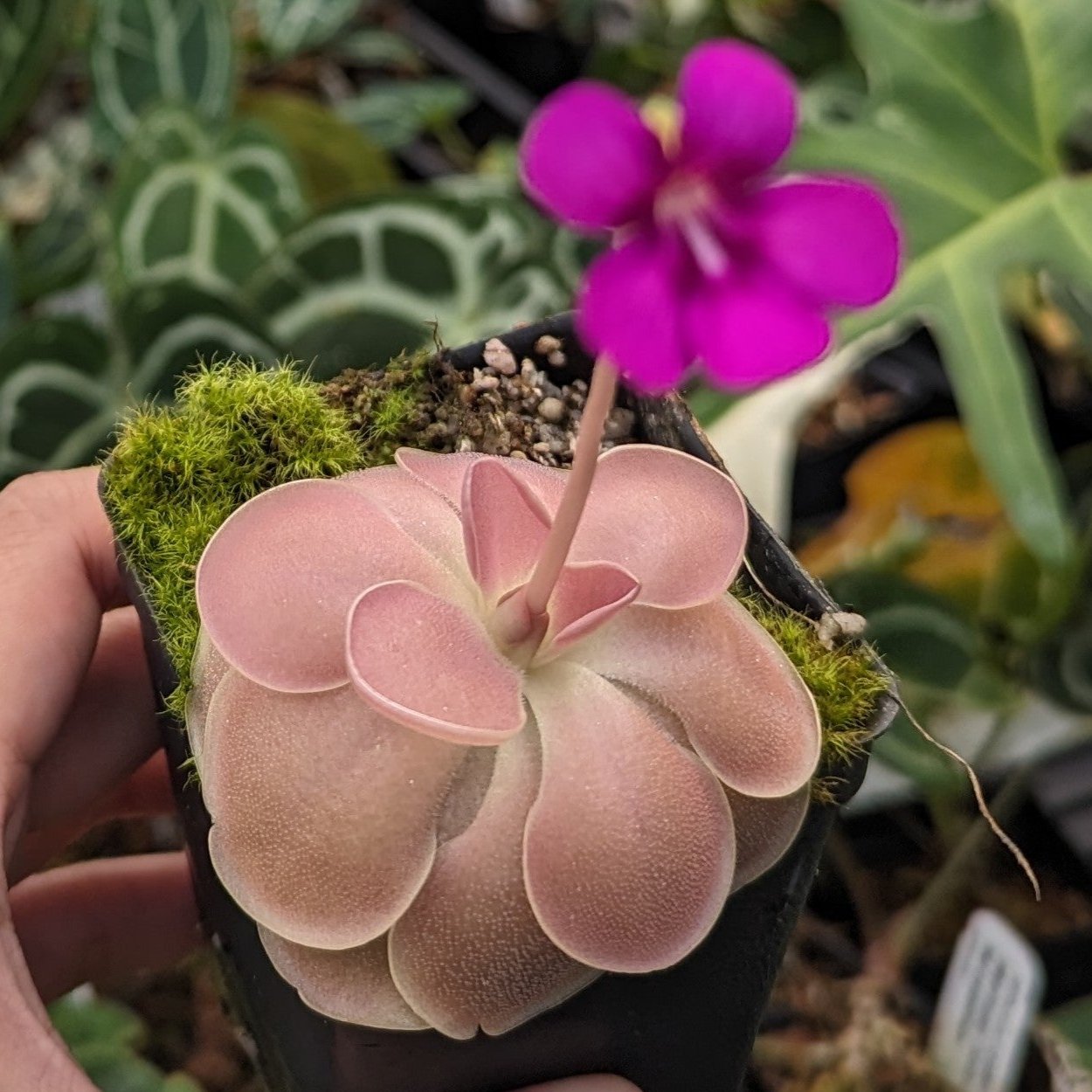
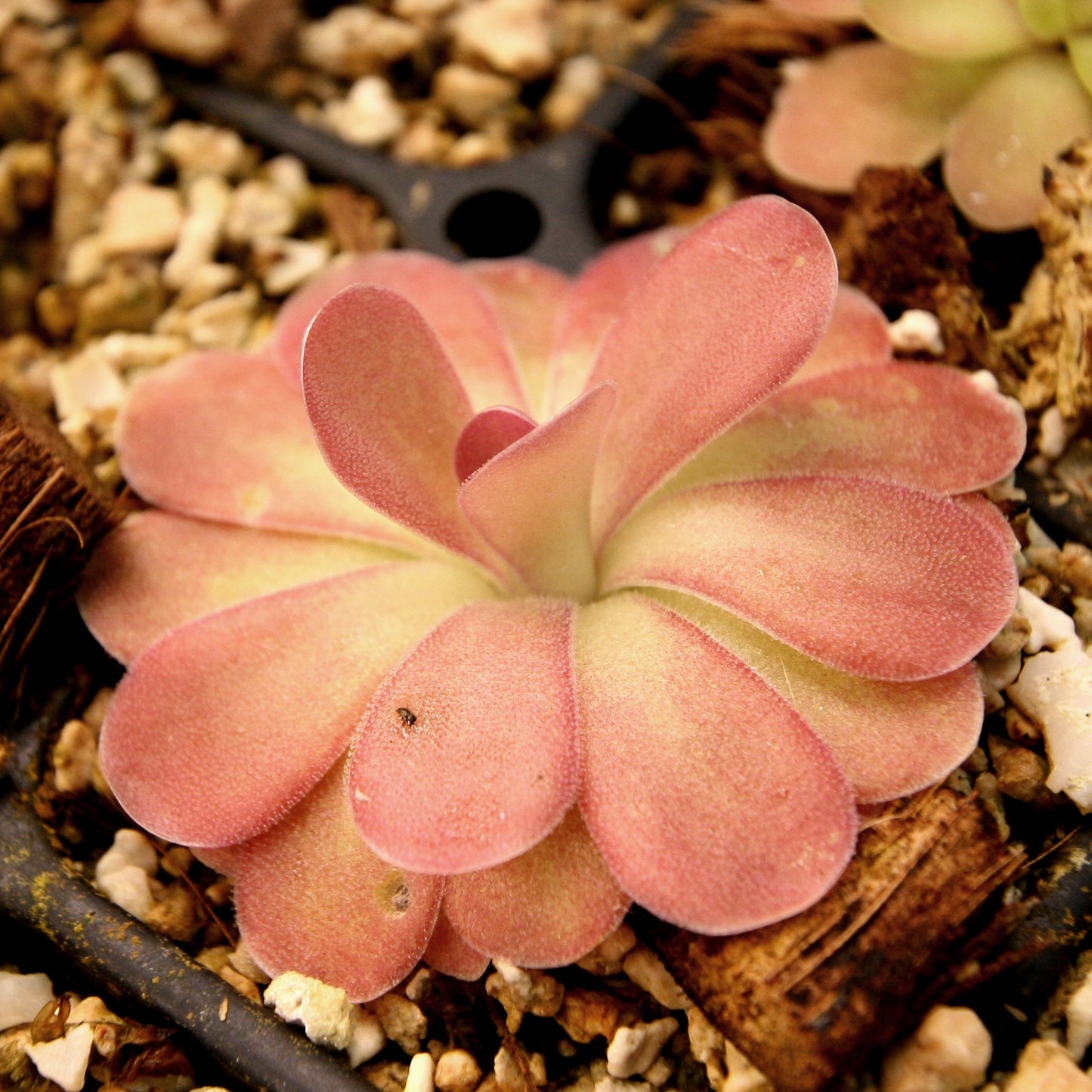
This uncommon African sundew forms compact basal rosettes of oval to obovate leaves covered in prey-catching tentacles. The undersides of the leaves and petioles are covered in fine hairs, or pilose, giving the species its name and helping distinguish it from superficially similar African sundews. Plants remain relatively compact and produce slender flower stalks bearing attractive pink to purple flowers. Drosera pilosa was formally described by Arthur Exell and J. R. Laundon in 1956.
Drosera pilosa has a broad but scattered distribution across tropical Africa, with populations recorded from Guinea and Sierra Leone in the west through Cameroon and the highlands of central and eastern Africa, including Burundi, Rwanda, Kenya, Tanzania, the Democratic Republic of the Congo, and Angola. In cultivation, it appreciates bright light, consistently moist soil, and highland tropical conditions. Its compact growth, hairy foliage, and rarity in cultivation make it a particularly interesting species for collectors of African Drosera.
This product is considered an Intermediate Tropical plant. Please see our Shipping and Guarantees policy for cold/hot weather shipping guidelines.
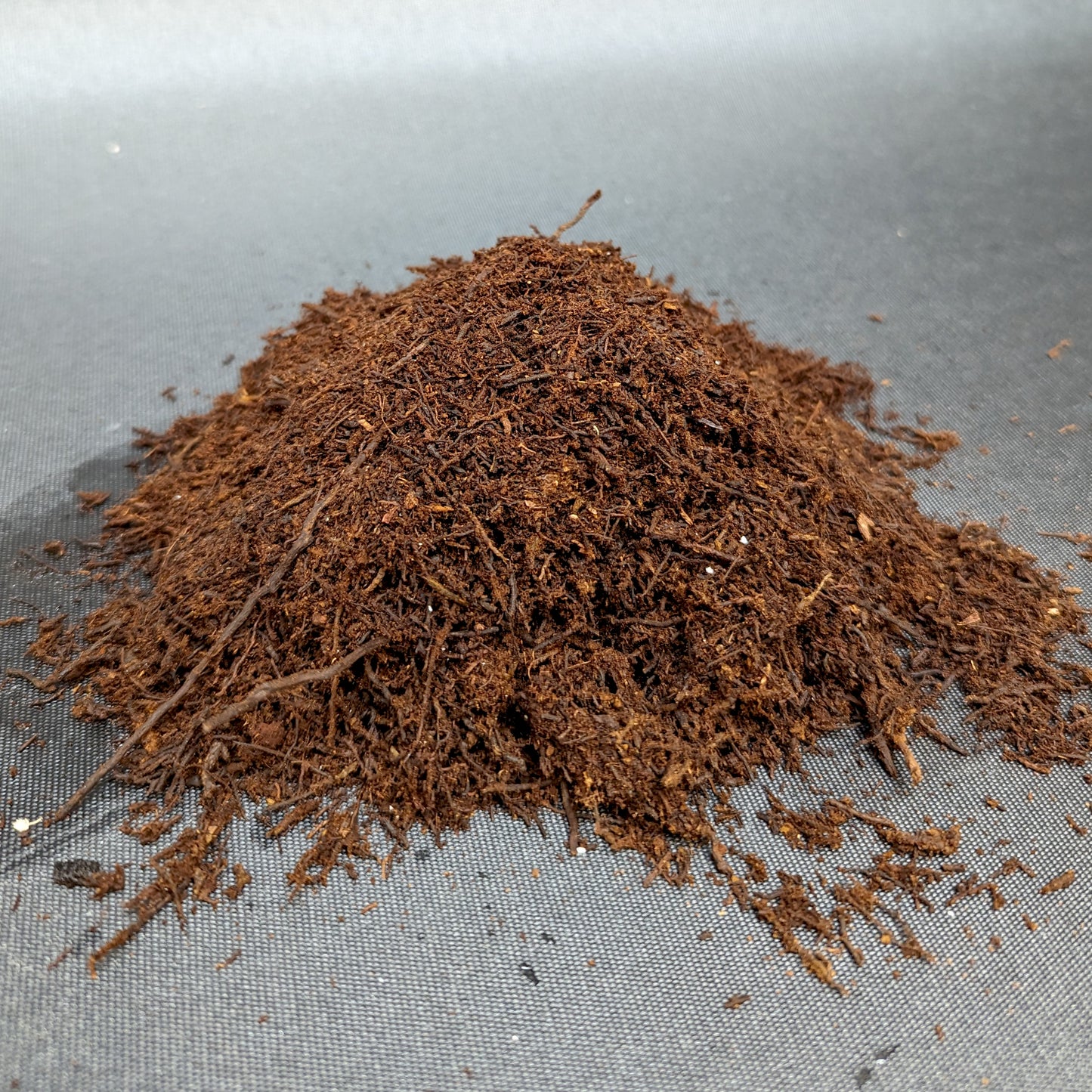
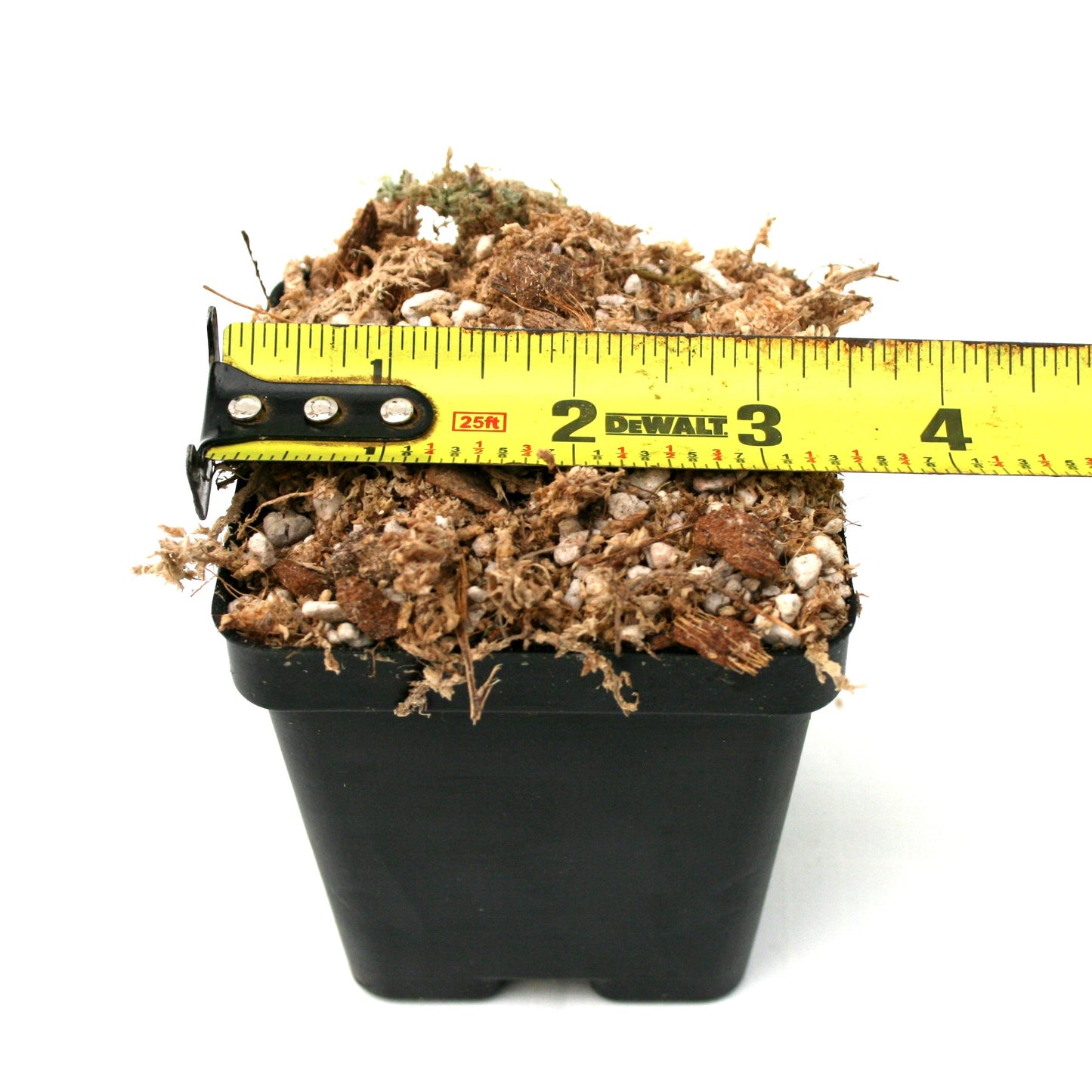
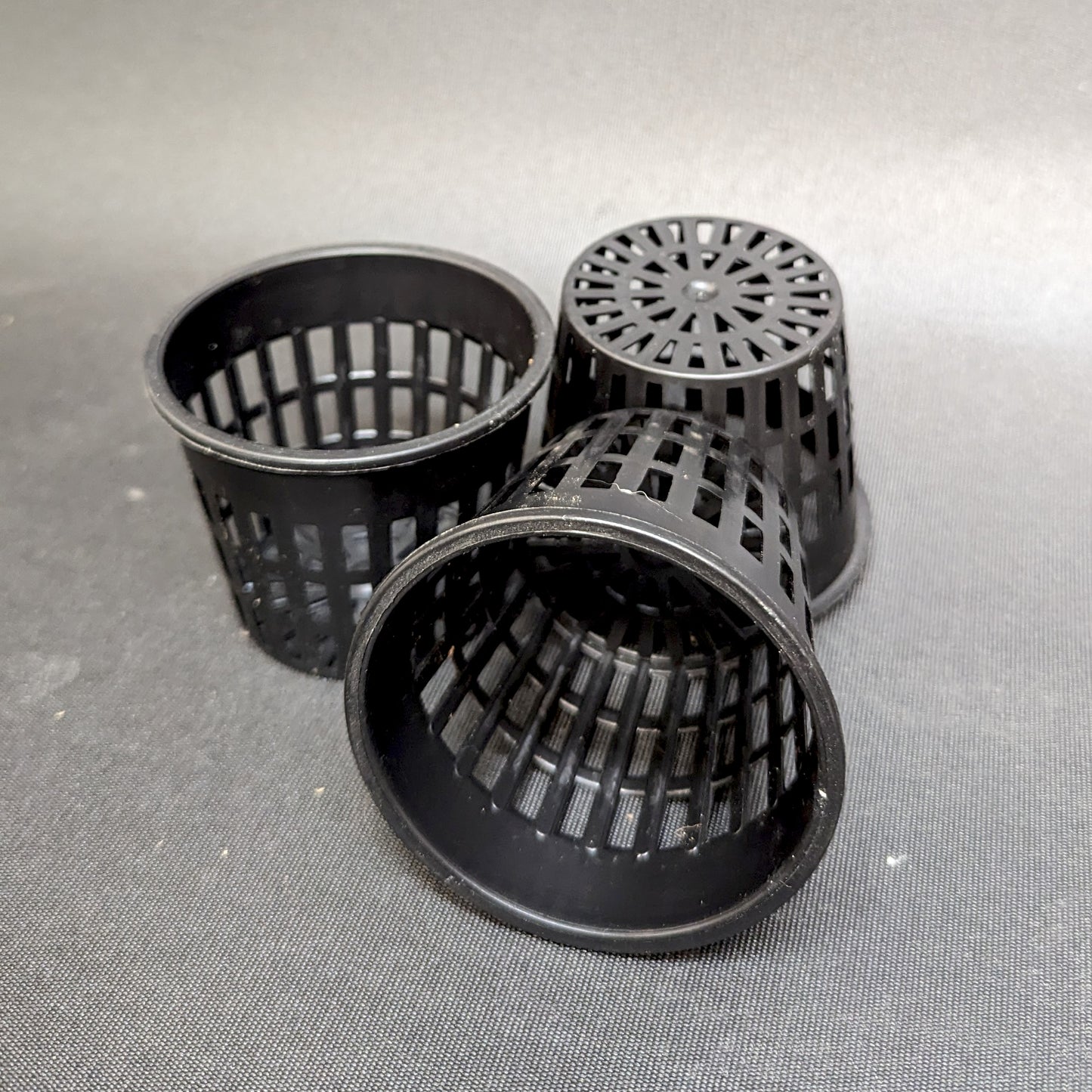
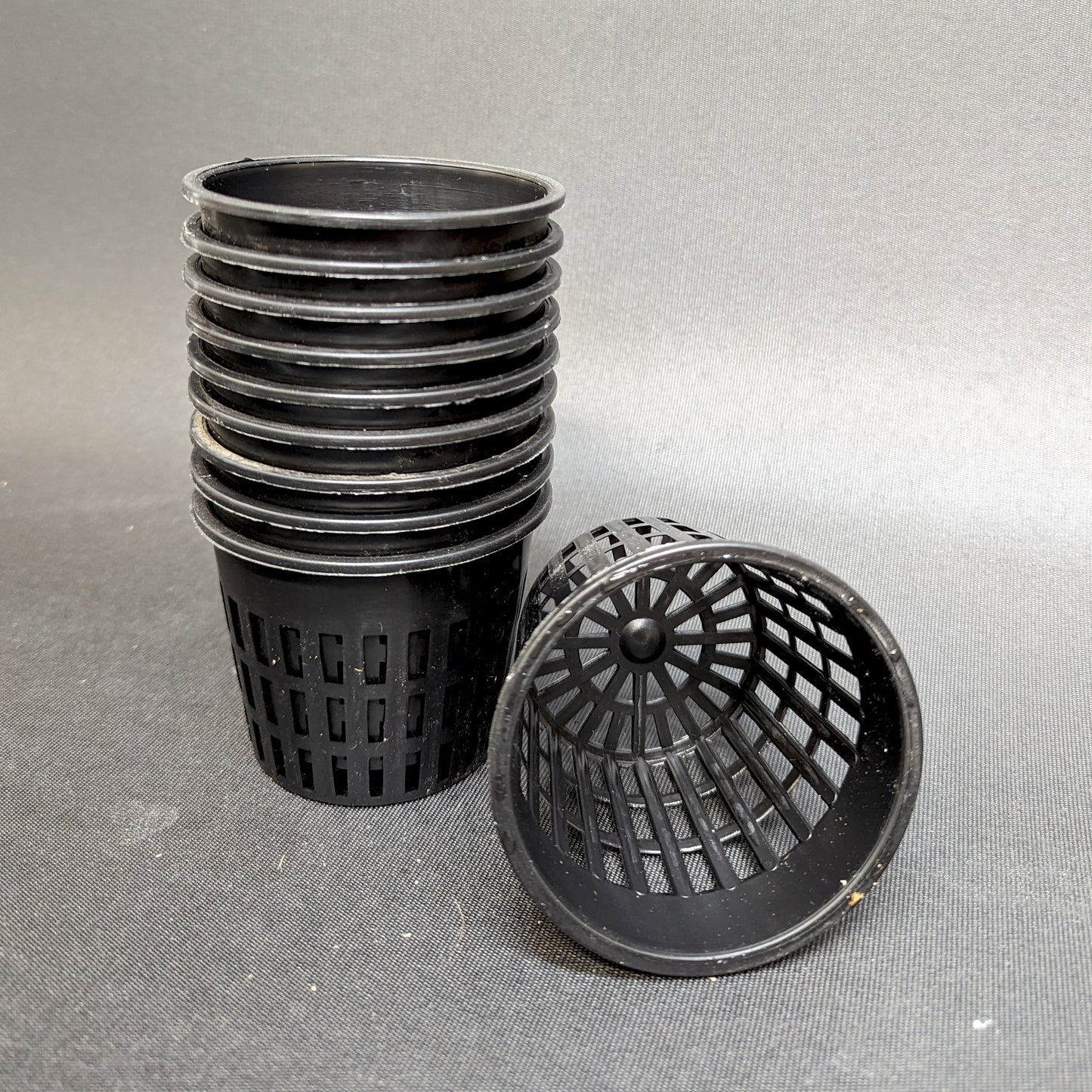
Most of our products come with multiple shipping options. For those that are unpotted, you can add Pots and Soil or Hanging Baskets a la carte.
| Temp | 50-95°F |
| Light | 10-12 hours of bright, direct sunlight or strong grow lights. |
| Humidity | High humidity >60% |
| Watering | Use only distilled, rain, or reverse osmosis water; keep soil consistently moist with the tray method. |
For more information see our full Care Guides
| Temp | 50-95°F |
| Light | 10-12 hours of bright, direct sunlight or strong grow lights. |
| Humidity | High humidity >60% |
| Watering | Use only distilled, rain, or reverse osmosis water; keep soil consistently moist with the tray method. |
For more information see our full Care Guides
All plants have a live arrival guaranteed. More information here.
All plants have a live arrival guaranteed. More information here.
Drosera pilosa
This uncommon African sundew forms compact basal rosettes of oval to obovate leaves covered in prey-catching tentacles. The undersides of the leaves and petioles are covered in fine hairs, or pilose, giving the species its name and helping distinguish it from superficially similar African sundews. Plants remain relatively compact and produce slender flower stalks bearing attractive pink to purple flowers. Drosera pilosa was formally described by Arthur Exell and J. R. Laundon in 1956.
Drosera pilosa has a broad but scattered distribution across tropical Africa, with populations recorded from Guinea and Sierra Leone in the west through Cameroon and the highlands of central and eastern Africa, including Burundi, Rwanda, Kenya, Tanzania, the Democratic Republic of the Congo, and Angola. In cultivation, it appreciates bright light, consistently moist soil, and highland tropical conditions. Its compact growth, hairy foliage, and rarity in cultivation make it a particularly interesting species for collectors of African Drosera.
This product is considered an Intermediate Tropical plant. Please see our Shipping and Guarantees policy for cold/hot weather shipping guidelines.
Most of our products come with multiple shipping options. For those that are unpotted, you can add Pots and Soil or Hanging Baskets a la carte.
| Temp | 50-95°F |
| Light | 10-12 hours of bright, direct sunlight or strong grow lights. |
| Humidity | High humidity >60% |
| Watering | Use only distilled, rain, or reverse osmosis water; keep soil consistently moist with the tray method. |
For more information see our full Care Guides
| Temp | 50-95°F |
| Light | 10-12 hours of bright, direct sunlight or strong grow lights. |
| Humidity | High humidity >60% |
| Watering | Use only distilled, rain, or reverse osmosis water; keep soil consistently moist with the tray method. |
For more information see our full Care Guides
All plants have a live arrival guaranteed. More information here.
All plants have a live arrival guaranteed. More information here.